
Explore Coal Creek: Dutch Creek Park and Its Neighbors

Welcome to Dutch Creek Park!

It’s easy to see how Dutch Creek Park and the surrounding neighborhoods are closely connected to the health of our watershed. Just look at how close Coal Creek is! Living close to streams and natural areas is good for our mental and physical health, but it also highlights our responsibility to protect them.

Luckily, there are a lot of easy things we can do to keep pollution from our homes out of Coal Creek and other streams. What will you do to help keep Coal Creek clean? Here are some of our favorite tips:

  • Use a commercial car wash
  • Try compost or compost tea instead of store-bought fertilizer
  • Always pick up pet waste at home and on the trail

By taking these actions we can keep excess nutrients and bacteria out of Coal Creek. Too many nutrients can lead to harmful algal blooms and bacteria can make playing in the water unsafe. Learn more about the health of Coal Creek on the KICP water quality dashboard.

Infographic with 4 steps showing how stormwater pollutants travel from our homes into local waterways through the stormwater system.

From Your Home to the Creek

Stormwater pollution happens in every neighborhood. Even if you can’t see a stream from your house, the stormwater system brings water from your neighborhood to the nearest waterway through underground pipes called the stormwater system. Rain, melting snow, and sprinkler runoff carry pollutants from our communities directly to local waterways through this system – that water is never treated. This means that any fertilizers and pesticides we put on our lawns or pet waste and trash left on the ground can end up in Coal Creek.

Bright purple flowers in a spherical shape of the milkweed plant.

Pocket Prairies

Look around for areas of tall grass and wildflowers surrounded by a fence. These are pocket prairies, small spaces where we can bring the prairie ecosystem into our communities. Since these are native species who are used to Colorado’s hot, dry weather, they use less water than grass lawns. Prairie plants support healthy soil, limit erosion, and clean pollution out of stormwater. In neighborhoods full of homes and roads, pocket prairies support biodiversity by providing homes for insects and pollinators. Learn more about the pocket prairies Louisville Open Space has built.

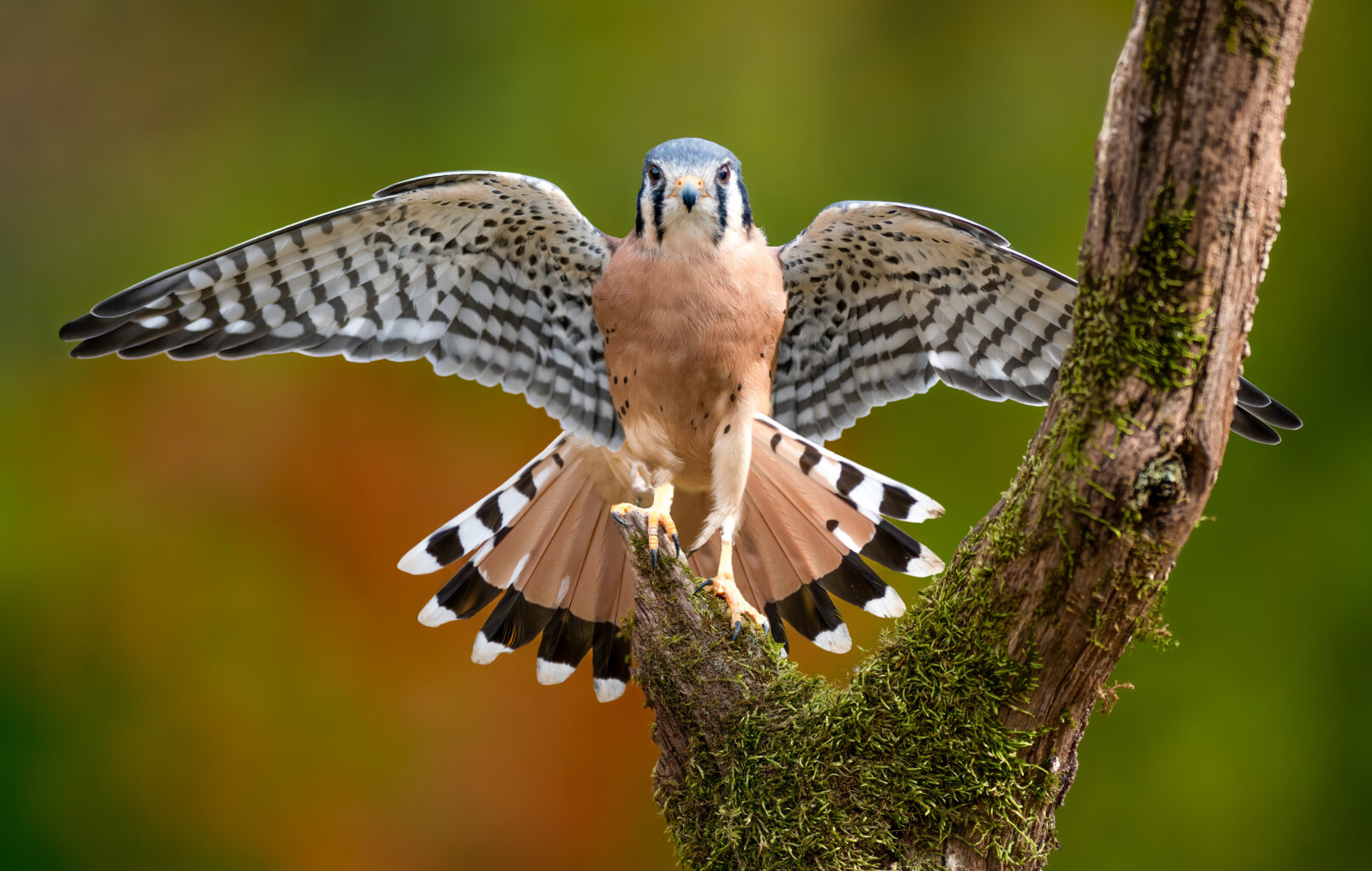
American Kestrel bird with rusty red chest and tail with black and white details on the wings is perched on a tree.

Bird City

Did you know that Louisville has been recognized as a Bird City? Birds are an important part of a healthy ecosystem. Being a Bird City means we protect their habitat by closing trails when they are nesting and planting native plants they like to eat. Check out a list of birds you might see on your walk. How many different ones can you find?