Allison Wheeler

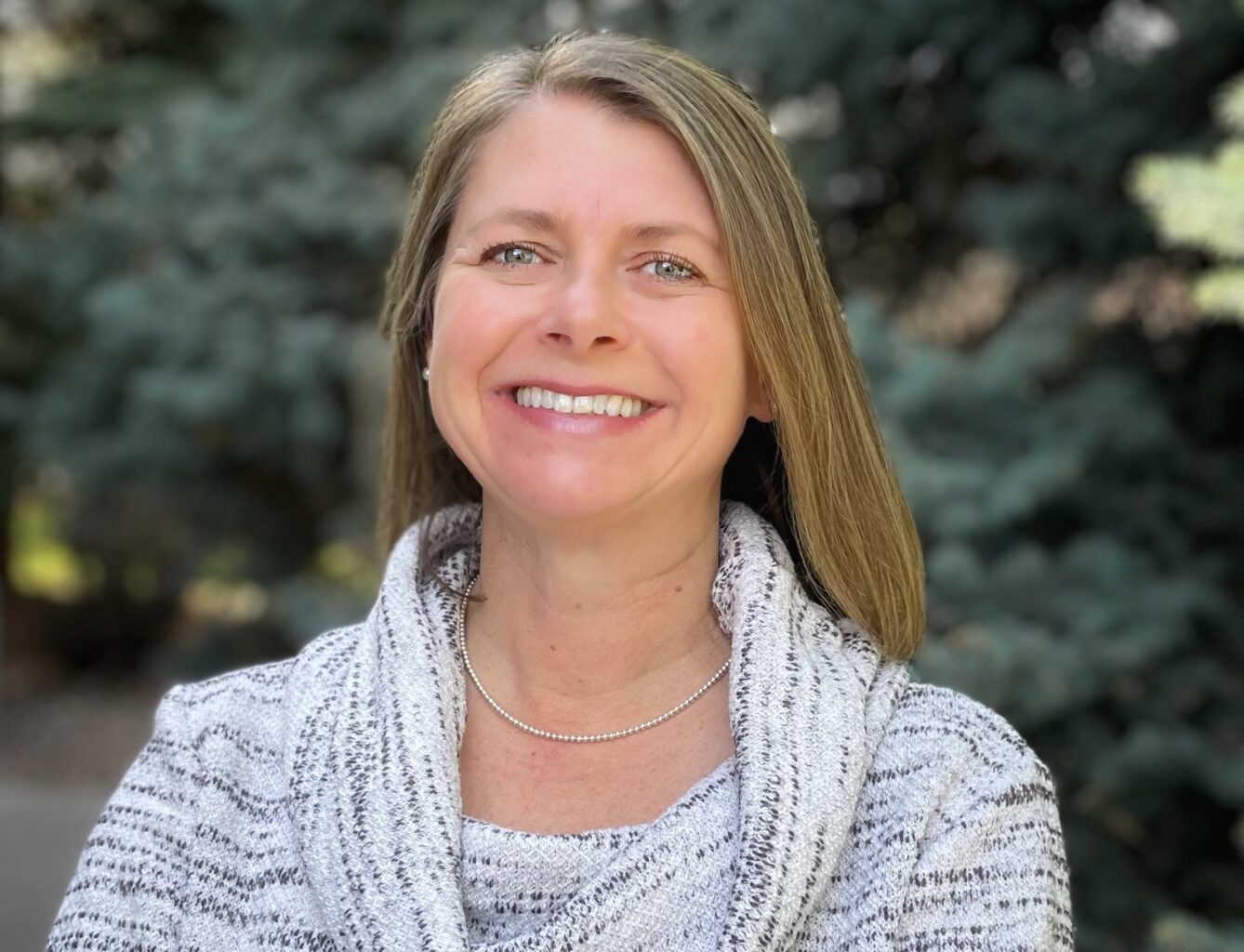
Headshot of a smiling woman standing in front of trees.

Allison Wheeler – Wastewater Surveillance Unit Manager at the Colorado Department of Public Health and Environment

My job is to oversee the state program that works with wastewater utilities and local public health agencies to collect and analyze wastewater samples to assess trends of disease within a community. This is an anonymous, cost-effective method that can help allocate resources to communities when we see increasing disease trends. I’m a Colorado native who loves camping with my family and hiking with my dogs.

Learn more about the Colorado Wastewater Surveillance Program.
My Path

Exploring before Graduate School

My original plan was to go to vet school after getting my undergraduate degree in biology from Colorado State University. However, I had always had an interest in global health and before going to a graduate program I wanted to have an international experience, so I applied to be a Peace Corps volunteer.

Peace Corps in Ecuador

Working as an animal production volunteer in Ecuador for the Peace Corps led to my interest in water and public health. The village I lived in did not consistently have running water so we would walk down to the Amazon River for water when we needed it. I saw the effects on everyone in the village including myself – we struggled with parasites, bacteria, and more from using water that was not properly treated.

Graduate School for Public Health

When I got back from the Peace Corps I decided to get a Masters in Public Health with a focus in infectious diseases before considering vet school again. After graduating, I made my decision and started working with the communicable diseases program at the Colorado Department of Public Health and Environment (CDPHE). While I’ve taken a couple of breaks from CDPHE over the last 20 years, I’ve always stayed in public health.

COVID-19 Pandemic

In 2020, I returned to CDPHE to fill the waterborne disease epidemiologist position. Wastewater surveillance was a new program in response to the pandemic and I was assigned to learn about the program. I quickly realized this was a valuable public health tool and we needed to continue the program. We secured CDC funding in 2021 and have become a national leader in the field, being recognized by the CDC as a National Wastewater Surveillance Center of Excellence in 2022. In five years, we’ve built significant capacity at our state lab to test wastewater samples, added new targets for testing, and grown our program to include 15 full-time staff members.

My Work

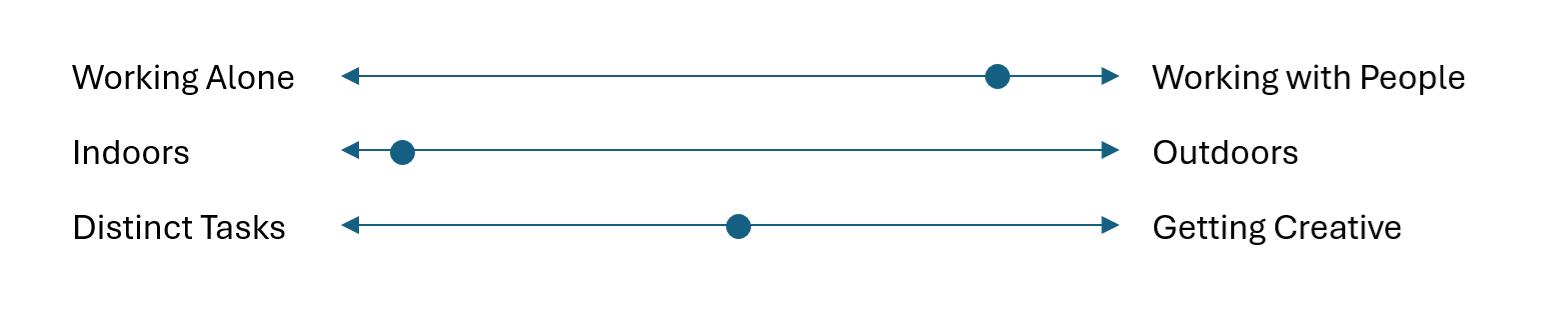
Scales showing how this person's work breaks down. Most time is spent working with people, indoors, with work being an even split between distinct tasks and getting creative.

Manage National Partnerships

Colorado’s Wastewater Center of Excellence was one of the first two designated in the country. Now, there are a total of six. One of my favorite parts of the job is representing Colorado’s wastewater surveillance program across the U.S. and internationally. I contribute Colorado’s perspective on wastewater surveillance to different workgroups and work closely with our National Wastewater Surveillance System’s Centers for Disease Control colleagues. I speak at national, state, and international conferences about wastewater surveillance, sharing its benefits, and Colorado’s program and approach.

Supervise Team Members

The wastewater surveillance program has grown to include epidemiologists, data analysts, lab technicians, and community coordinators. I supervise and support team members and connect their work to state and national initiatives.

Engage the Community

Over the last five years, this field has worked to focus on the science and prove its worth as a valuable public health surveillance tool. To move forward and ensure the program is sustainable, I work to get the word out about how it is beneficial to Colorado residents. I travel to different parts of the state and partner with wastewater utilities and local public health agencies to talk to community groups about the data that is available to them and how they can use it to assess their disease risk.

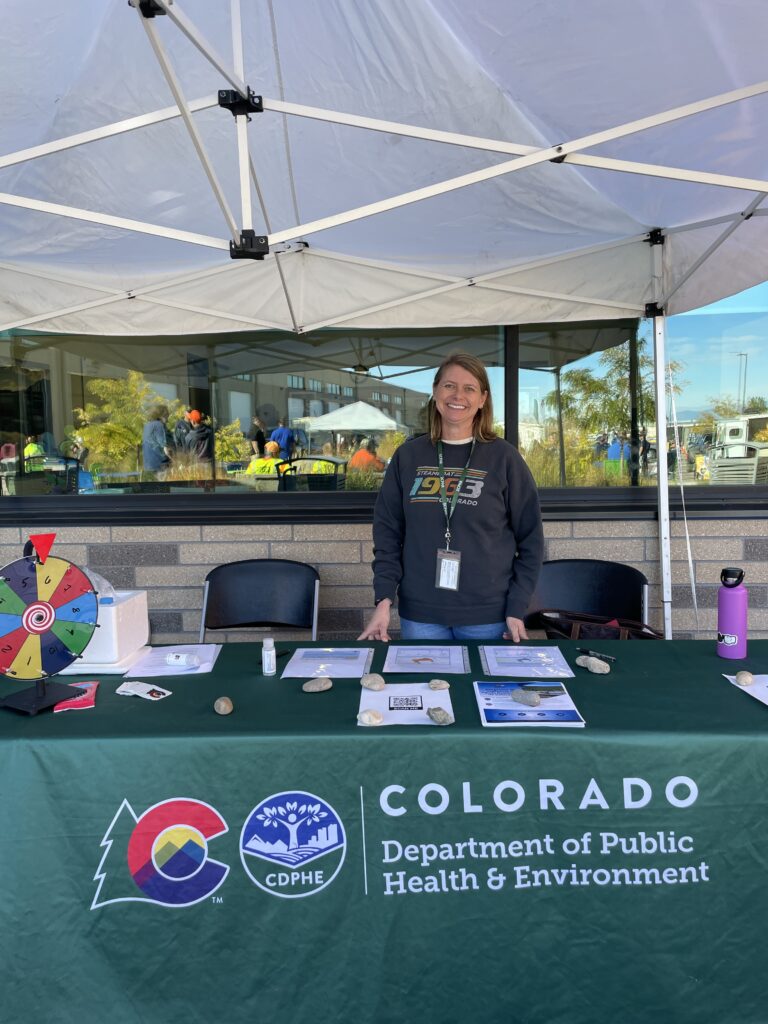
A woman staffs a Colorado Department of Public Health and Environment outreach table full of resources.

My Why

Wastewater surveillance is a non-invasive and cost-effective way to get a pulse on a community’s health. By testing samples from a wastewater treatment plant, we can determine disease trends for communities without having to test individual people. We work with our local public health agencies to message communities about increasing trends allowing vulnerable populations to take precautions, informing local healthcare providers about diseases to be on the lookout for and test, and allocating resources to the appropriate locations.

My Advice

There are so many opportunities out there that aren’t in the public spotlight, so if a more traditional role isn’t interesting to you keep diving deeper. I love talking to students who reach out to me about my career path. Don’t be shy about reaching out to people working in different industries! Ask questions. People who love their jobs love to talk about them and are happy to share.