Sharla Benjamin

A woman in a yellow safety west stands on a trail with mountains in the background.

Sharla Benjamin - Engineer and Stream Restoration Project Manager at Boulder County

I lead teams to design and construct large stream and watershed restoration or cleanup projects. Some of the projects I’ve worked on include: watershed and stream habitat recovery following the 2013 flood, watershed and stream channel recovery from the Calwood fire, post-flood stream restoration that included native fish passage and riparian corridor enhancements for the Preble’s Meadow Jumping Mouse, and finding solutions for treatment of ongoing water contamination associated with legacy hard rock mining that occurred near Nederland, CO. I volunteer at Casa de la Esperanza in Longmont, focusing on robotics and leadership.

My Path

Meant for Physics

I grew up in Boulder and spent a lot of time outside as a kid. I worked summers at the City of Boulder Junior Ranger Program so I could take college courses during the summer in ecology and landscape architecture. I loved physics in junior high, but I was discouraged by a male physics teacher from following this career path because he believed that science careers were not suitable for women. I ended up studying marine biology in college, then following an environmental sciences & policy path. I took an environmental engineering class my senior year and felt like I finally found something I was excited about that could help me make a difference in my community – but it required me to go back to physics classes and get an engineering degree.

Back to Undergrad and then Graduate School

Working for plant nurseries helped me find biological systems engineering – it was the perfect combination of water, soil, plants, and physics. I went back to school for a second undergraduate degree and a master’s degree in biological systems engineering. At school, I worked with streams to understand how they became polluted with sediment and nutrients.

Exploring Career Paths

I worked a series of jobs where I gained experience with water quality monitoring, erosion and sediment control, engineering design, partner engagement, and stream restoration. My first engineering consulting job was in Michigan working for elected drain commissioners. In Oklahoma, I worked as a federal agricultural engineer designing stream restoration projects and assessing dam failures. Dam failure analysis showed us where floodwater would go if a dam were to fail; this helped me better understand the relationship between dams, streams, and people. I also worked for a city transportation department, I learned about ADA compliance and the importance of citizen education related to transportation.

Stream Restoration

After the 2013 flood in Boulder County, we had a 10-year clean-up job. I was originally hired to do stream restoration construction oversight as part of the disaster recovery. My job has since evolved, and now involves both design and construction, but most importantly, making sure all voices are heard. I’ve learned about other topics that impact stream restoration projects, like how legal water rights are integral to stream restoration projects in the west. For example, when planning a redesign, we need to ensure that ditches which provide water to agriculture or drinking water still get reliable water after we factor in stream needs like fish habitat, fish passage, sediment passage, and other native plants and animals.

My Work

Scales showing how this person's work breaks down. Thier time is split evenly working with people and alone, indoors and outdoors, and on distinct tasks and getting creative.

Outreach and Engagement

It’s important that my work includes the perspectives of diverse groups of people, especially those who will be impacted by the project or have specialized knowledge. I often reach out to farmers, recreation managers, water providers, knowledge holders and community groups to make sure their voices are heard. I want us to work together in service of the land which supports us all.

Communication

It is important that I communicate all aspects of a project to people with different educational backgrounds and levels of interest. When I bring people with different experiences together, my goal is that everyone leaves with a shared understanding of all aspects of a project and feels meaningfully connected to the project.

Compromise

Having been involved with a lot of different conservation and restoration projects throughout my career, the most common thread is that every project requires compromise. If everyone is a little unhappy with a project but mostly happy, that’s ok – it usually means we brought in a lot of voices and worked as hard as we can to make this project work for as many partners as possible. Projects need to balance environmental, social, cultural, budgetary, and many other factors to be successful.

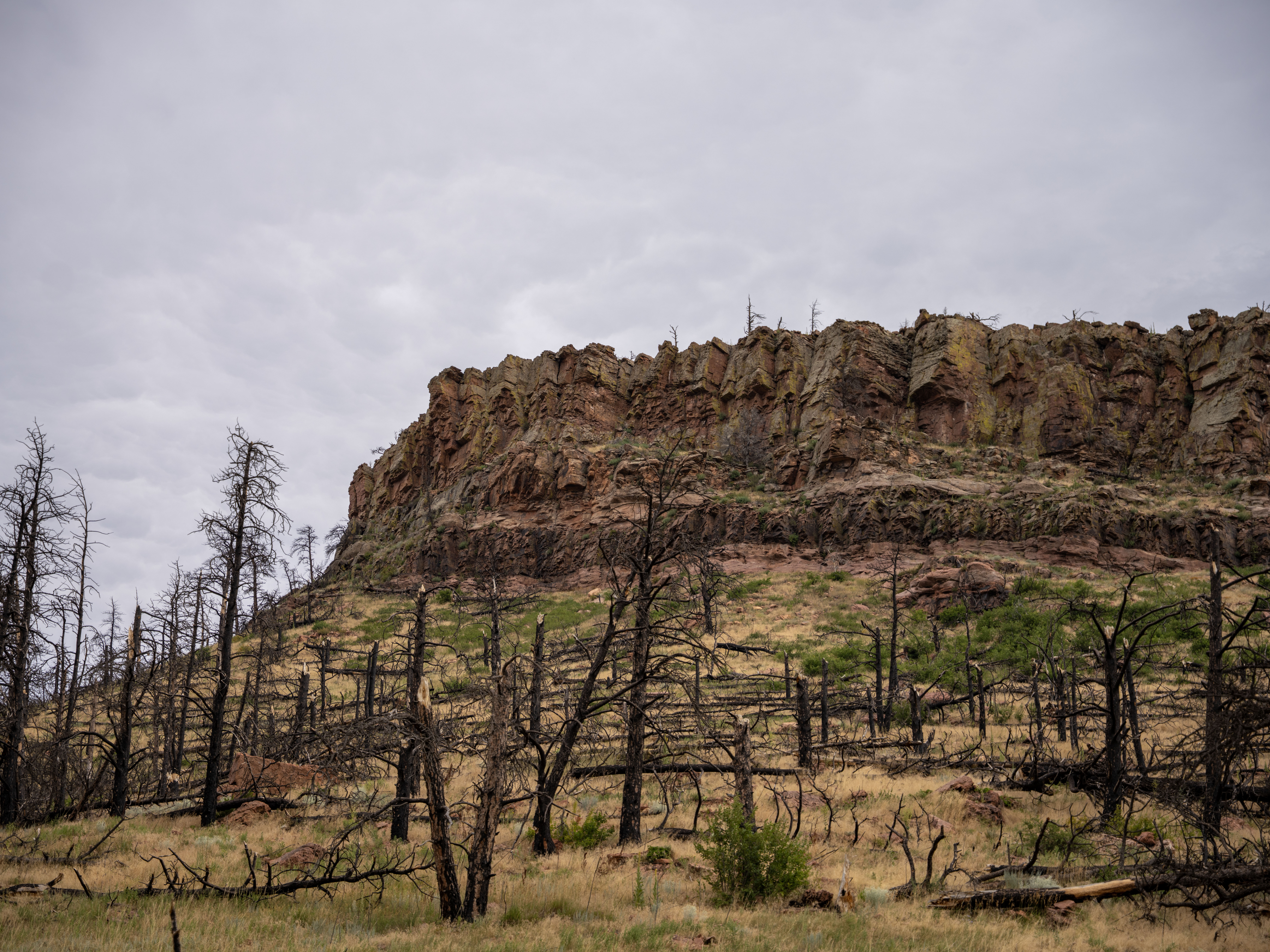
Burned skeletons of trees stand in front of red rock formations.

My Why

I like working with water because it reminds me that there is constant change. It also reminds us that we are all connected. Humans have had significant impacts on our environment, and sometimes we need to fix what we’ve done and learn and improve moving forward. We need to have humility and know we can’t fix every problem but it’s important that we do the best we know how to do and remain open to learning and changing for the better.

My Advice

Do job shadowing, apply to internships and jobs, and find mentors. Try a lot of different things to see what you like and don’t like and be open to learning new things and surprising ourselves. Electives in high school and college are important to explore new paths, give you a well-rounded experience, and find topics you might be interested in. Talk to adults in your life about their career path and what they learned along the way.