I am a Water Quality and Environmental Compliance Coordinator with the City of Longmont. I serve as a subject matter expert on a few different water-related regulations and laws. The City of Longmont has a lot of different projects going on around the city, from trail building to housing developments to utility line repairs. I see that all this work is done in a way that protects our local waterways and meets the requirements of important water quality regulations. Kayaking (especially on salt water) is my favorite way to spend time outdoors – I prefer the ocean to the mountains!
In high school I was good at most subjects, but when I got to college I wasn’t sure what I wanted to major in. To start, I took a lot of different classes – women’s literature, calculus, geology. That first summer during college I did a lot of camping and spent time on the river outside in Wisconsin. It dawned on me that I wanted to always be outside and I should pursue a degree that allowed me to do so. I ended up a Biology major minoring in environmental science and I was able to take classes that covered ecology, zoology, botany, and more.
After graduating, I worked a seasonal job with the Nature Conservancy in Fargo. I got to ride ATVs and mark and spray invasive plants; it was all field work. I then moved to Colorado and became a park ranger for the City and County of Denver. When I was searching, I had been open to jobs in the private sector, but the ranger job seemed cool and was primarily outdoors. Being an urban park ranger not only paid fairly well but I fell in love with local government. There was a strong sense of professionalism, a good structure, and the size was great – the city was big enough to make you feel like you were a part of something, but not so big that you feel lost in the organization. While I gained valuable experience in law enforcement as a park ranger, I ultimately realized that it wasn’t the direction I wanted to pursue long term.
My next job was working as a coordinator in the Volunteer Program in Rocky Mountain National Park. I developed strong communication skills and was thrilled to work in such a beautiful place, but after a few years, I came to realize that a long-term career with the National Park Service wasn’t the right fit for me. The organization felt too large for the type of environment I thrive in. Longmont’s stormwater program was advertising an opening that would include a lot of the skills and experience I had – law enforcement for inspections, outdoor field work, and communication skills.

I represent the City of Longmont as a stakeholder in meetings where the state and federal government are looking for input on proposed changes. For example, the Environmental Protection Agency is changing the legal definition of “waters of the United States.” This has implications for what types of water are legally protected when anyone is doing construction near them. I participate in these stakeholder meetings to stay informed about what projects in Longmont would be impacted by changes. While it’s not always the most exciting part of the job, it’s good experience that makes me more knowledgeable. It can make a difference too – I recently got language added to state regulation that will support the removal of invasive plant species.
Construction projects that take place in or near waterways (like a road running a long a stream, or when underground utilities need to be placed or maintained) must follow a lot of regulations. My job is to help the people managing these projects understand what those regulations are and answer questions that come up. One example is the Resilient St. Vrain project, a long-term project to restore habitat post 2013 flood to improve habitat and flood resilience.
While my work primarily takes place indoors, I really enjoy when my job takes me outside. I’m responsible for inspecting and monitoring the city’s facilities to ensure they are not are not harming our streams. I talk to our staff about procedures they need to follow and precautions they need to take day to day to prevent stormwater pollution.
The City of Longmont offers tuition assistance, which allowed me to earn a Master’s degree in Natural Resources while working full-time. By taking one class each semester over the past few years, I was able to complete my degree—and the City covered most of the cost! Because I was working while taking classes, I could immediately apply what I was learning on the job. It’s been so rewarding to see that knowledge make a real difference in my work, and I know it’s also set me up for future growth and new opportunities.
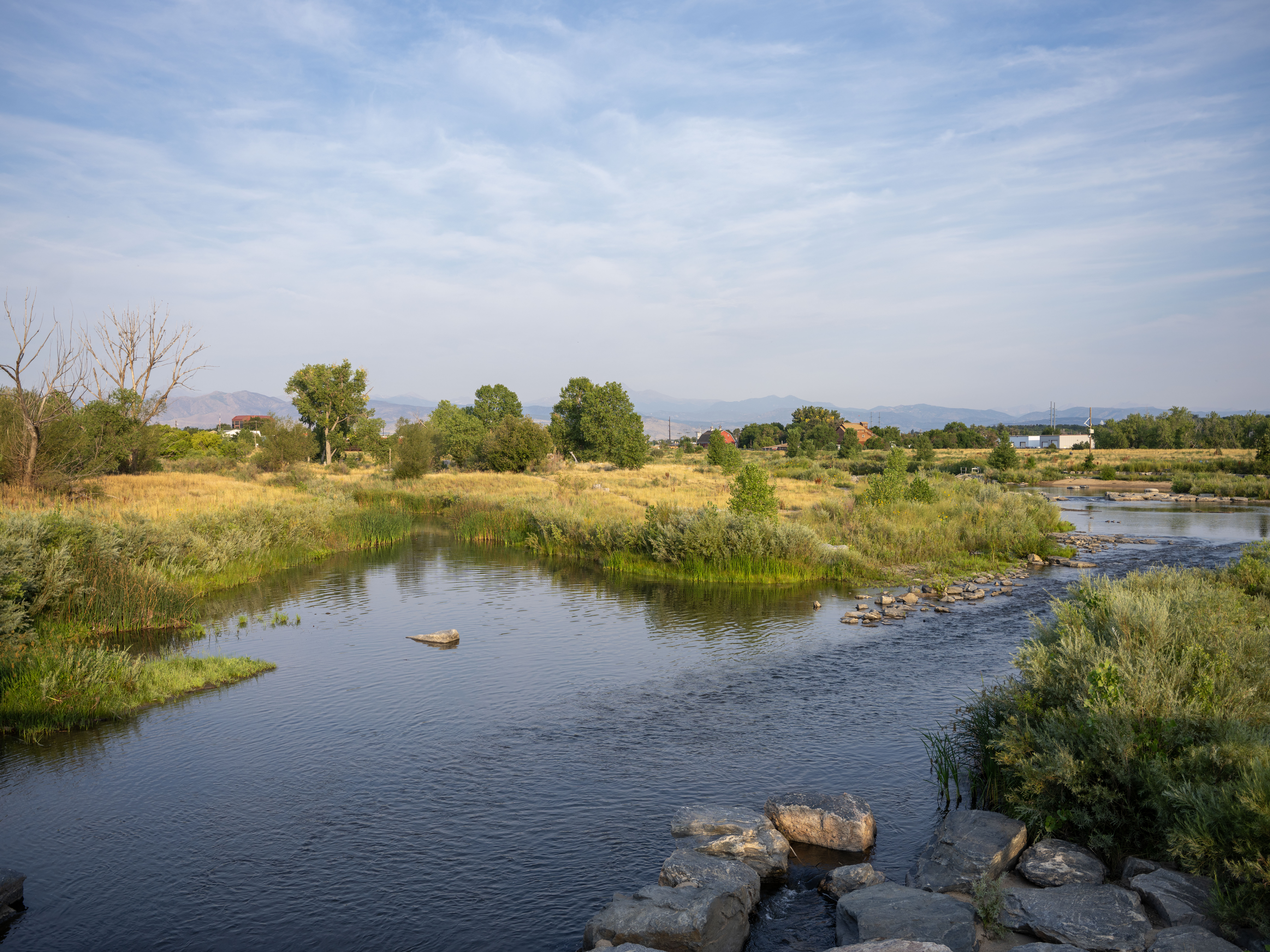
The heart of my work is to make sure the city is following regulations to keep pollution out of our waterways. This job plays a key role in protecting the water in my community and our watershed, which is really important to me.
Having people skills and being able to communicate well are important. Don’t shy away from things like public speaking, you need those types of skills even for things like leading and participating in meetings.
Sometimes it’s worth pushing through classes that are tough or that you don’t enjoy if they are relevant to the major or job you are interested in. I didn’t love my organic chemistry and physics classes, but because I took them and paid attention, I can now have conversations with specialists I work with. Looking back on it, I see more value in those classes now that I’ve seen how they have made me better at my job and a better collaborator.